
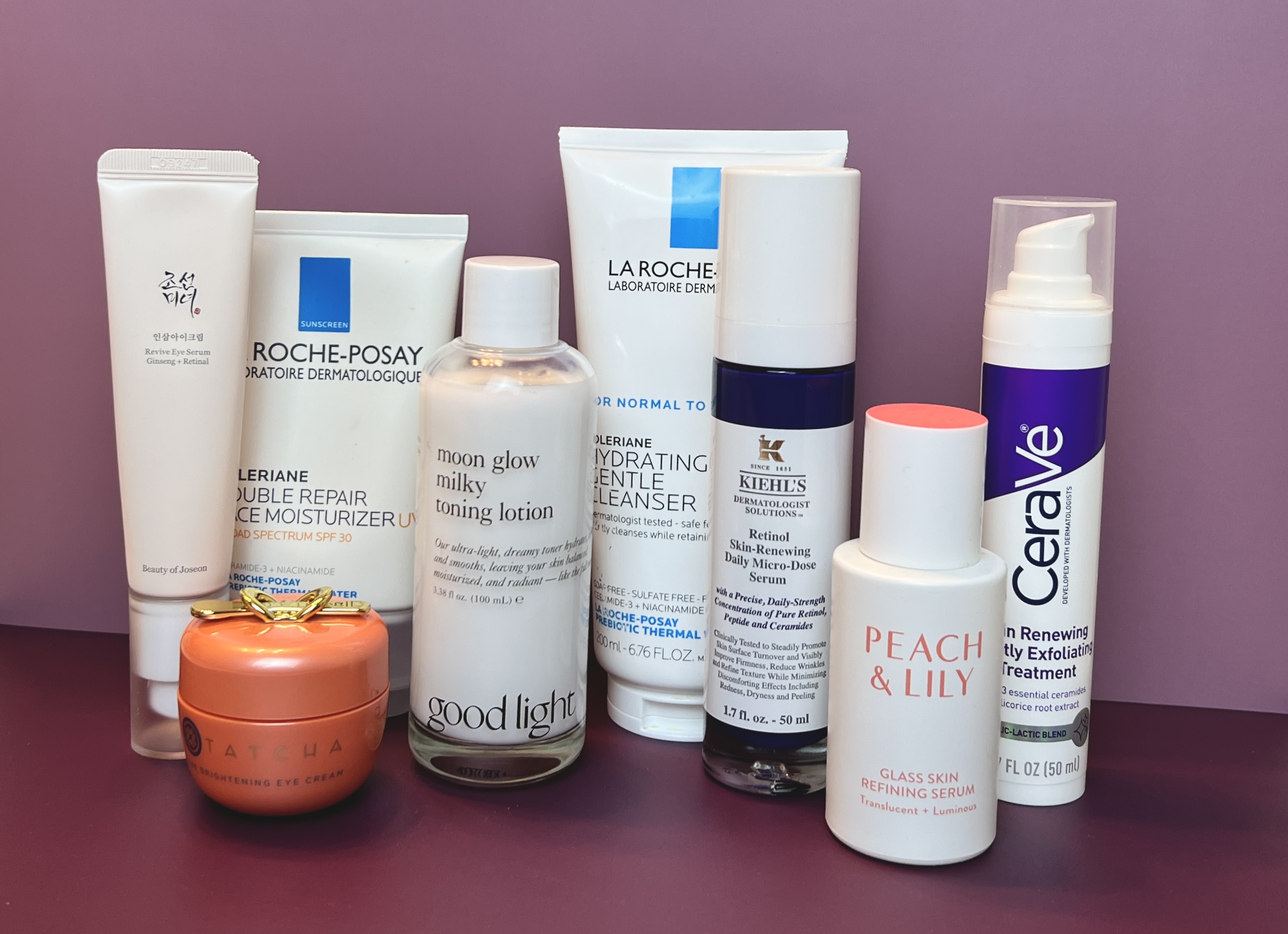
A few years ago, I realized my night skin care routine for glowing skin wasn’t working the way it used to.
In my late 30s and early 40s, things shifted. I stated seeing more sunspots and fine lines around my eyes became more obvious. My pores looked larger. And that effortless glow I had in my 20s? Gone…
What frustrated me most was this: I was still doing the same routine that worked beautifully in my 30s. But aging skin doesn’t respond the same way. If your skin looks tired even when you’re “doing everything right,” you’re not imagining it.
Your skin just has different needs now.
I also believed something that a lot of women believe:
If it’s not luxury, it won’t work.
That turned out to be completely wrong.
This post is about night skin care routine for glowing skin — one that’s science-based, realistic, and supportive of aging skin without draining your wallet. These are the exact simple night skin care routine steps I follow now in my 40s, especially when my skin feels dull, dry, or reactive.
Why Your Night Routine Matters More Than You Think
If your nighttime skin care routine for mature skin is off, your morning products won’t hit the same. Period.
At night, your skin goes into repair mode. This is when collagen production, cell turnover, and barrier recovery naturally increase. So whatever you apply before bed either supports that process — or disrupts it.
Every step builds on the next.
If you rush one, the rest won’t perform the way they should.
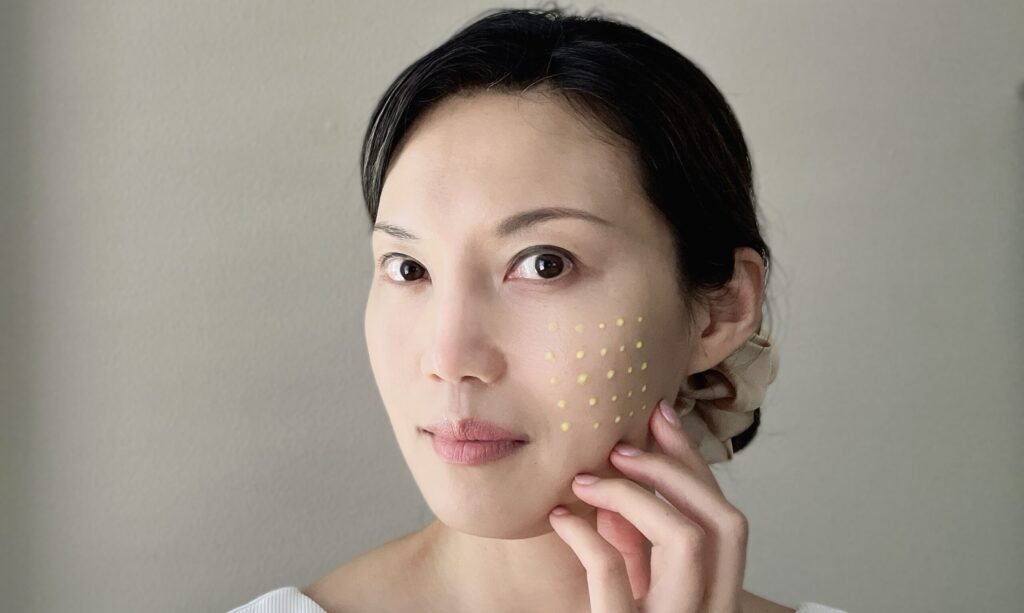
Step 1: Cleanse Without Destroying Your Barrier
If you fix only one thing in your routine, fix this.
At night, We’re not just removing dirt. We’re removing:
- Sunscreen
- Makeup
- Pollution
- Oil buildup
- Oxidative debris
If that layer stays on your skin, your serums are basically fighting through a wall.
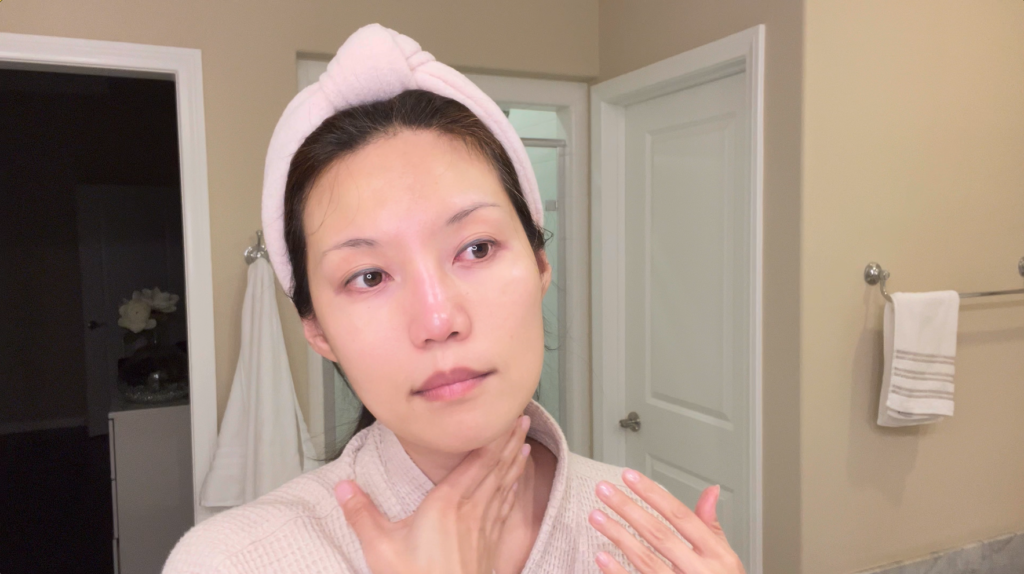
But here’s where most people go wrong: they over-cleanse.
That “squeaky clean” tight feeling? That’s your barrier being stripped. And once we’re in anti aging skin care routine territory, aggressive is not the goal. Protective is.
As we age, ceramide levels drop significantly. By our 40s, we’ve lost a large percentage of the natural lipids that keep skin resilient and hydrated. That’s why dryness and sensitivity creep in.
So I look for two ingredients in my cleanser:
- Ceramides (to reinforce the barrier)
- Hyaluronic acid (to prevent post-wash dehydration)
I use the CeraVe Hydrating Cream-to-Foam Cleanser.
It’s one of those products that quietly does its job extremely well. It cleans thoroughly but doesn’t leave my skin tight. It contains ceramides and hyaluronic acid, which works beautifully on damp skin — exactly what you have during cleansing.

It removes makeup effectively, and I keep it in my shower to use after my initial makeup removal step.
When my skin is properly cleansed, everything that follows absorbs better.
Step 2: Rehydrate and Prep (Don’t Skip This)
This is the step most people underestimate in an anti aging night routine.
After cleansing, your skin is clean — but also vulnerable. If you jump straight into actives, irritation becomes more likely.
The purpose of a toner in a nighttime skin care routine for mature skin isn’t to “tone.” It’s to rehydrate and prepare the barrier.
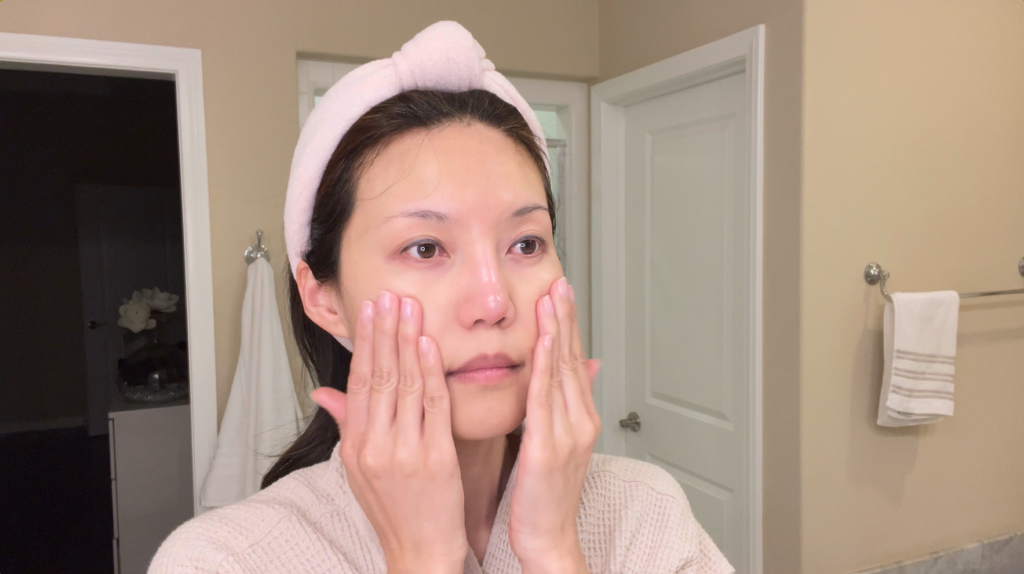
For aging or dehydrated skin, I prefer a hydrating, milky toner that:
- Adds water back into the skin
- Supports barrier health
- Gently smooths texture
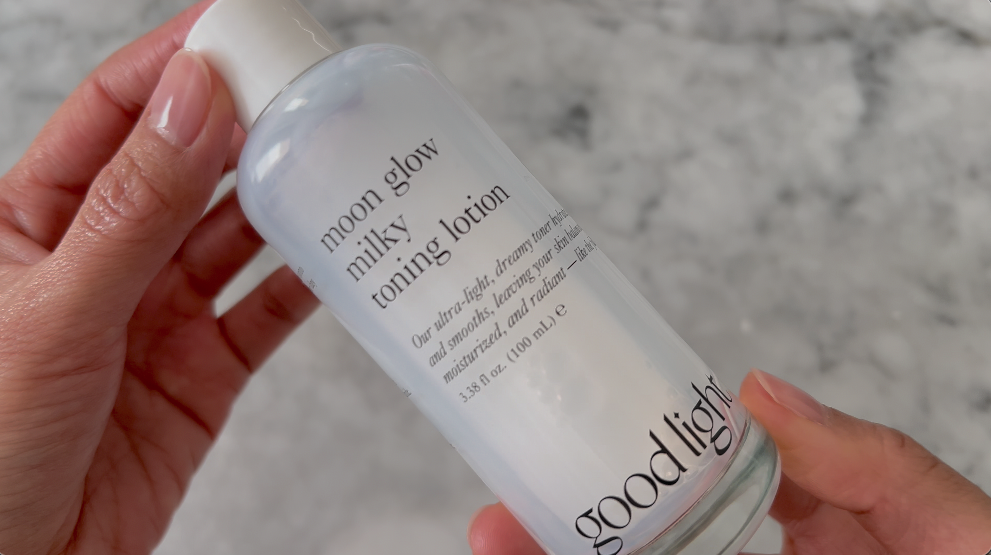
Right now, I’m using the Good Light Moon Glow Milky Toning Lotion.
This formula is thoughtful. It contains:
- Niacinamide (brightening + barrier support)
- Ceramides (lipid reinforcement)
- Natural AHAs (gentle surface renewal)
- Snow mushroom (a deeply hydrating humectant used in traditional Chinese medicine)

Snow mushroom is one of my favorite ingredients. It holds water similarly to hyaluronic acid but often feels softer and more conditioning.
I don’t use a cotton pad. I pour a small amount into my hands and press it into my skin.
This step makes my skin feel calm, hydrated, and ready. When I apply retinol afterward, it doesn’t feel like I’m attacking my skin — it feels balanced.
Step 3: Retinol — The Real Anti-Aging Workhorse
If we’re talking about an anti aging skin care routine 30s and beyond, retinol is not optional.
It’s one of the most researched ingredients we have for:
- Fine lines
- Uneven skin tone
- Sunspots
- Texture
- Loss of firmness
But here’s the mistake I see constantly: people obsess over percentage and ignore formulation.
Retinol without support = irritation.
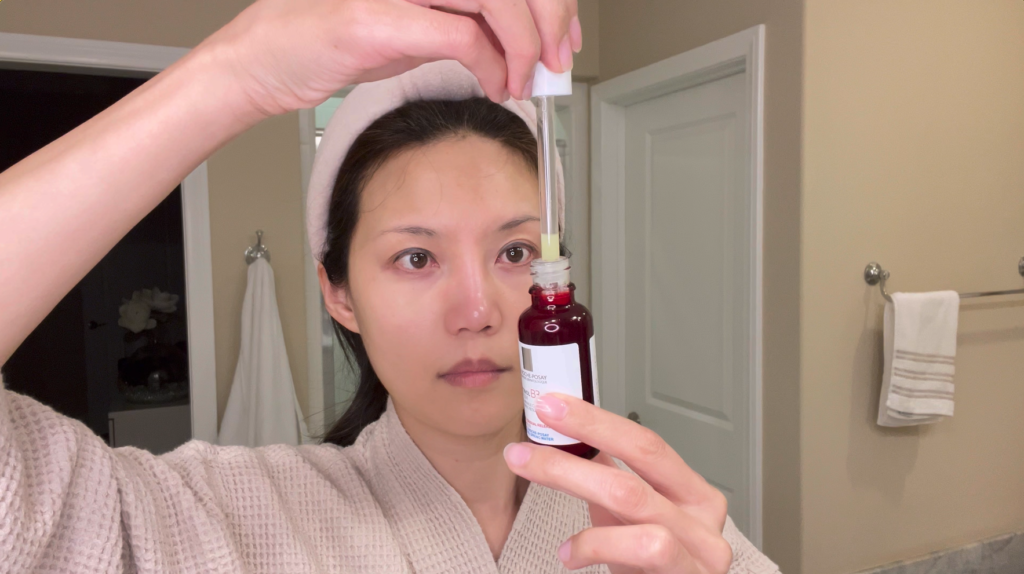
The strength I use (and recommend for most women transitioning into an anti aging skin care routine) is 0.3%.
I use the La Roche-Posay Pure Retinol B3 Serum.
Why I like it:
- 0.3% retinol — a clinically effective sweet spot
- Niacinamide to calm and strengthen
- Hyaluronic acid to offset dryness

Research shows that 0.3% retinol significantly improves pigmentation, fine lines, and firmness within about 12 weeks — without dramatically increasing irritation compared to higher strengths like 0.5%.
More isn’t always better.
If you’re new to retinol, start slowly:
- Once a week
- Then twice
- Gradually increase
I apply a pea-sized amount to dry skin after toner.
Over time, this step is what truly transforms how skin behaves.
Step 4: Seal Everything In (This Is Where Most People Go Wrong)
Retinol without proper moisture is where routines fall apart.
I used to believe my night cream had to be expensive to work. I’ve bought luxury creams that cost far more than they needed to.
What I’ve learned is this:
The job of a night cream is to:
- Seal in actives
- Support the barrier
- Maintain hydration
- Keep skin comfortable
That’s it.
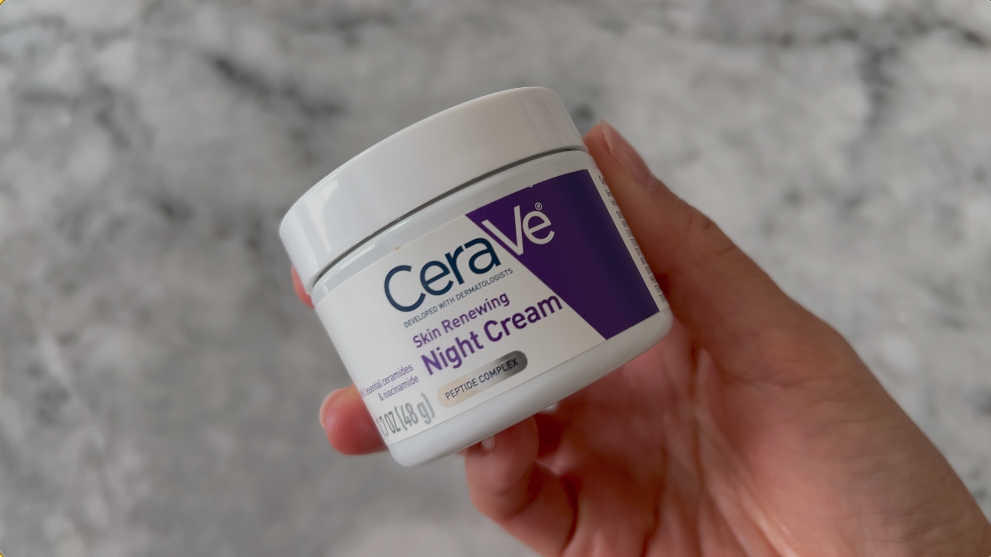
I use the CeraVe Skin Renewing Night Cream.
It’s simple. Neutral. Reliable.
It contains:
- Ceramides (barrier rebuilding)
- Peptides (collagen support)
Peptides and retinol work beautifully together. While retinol increases cell turnover, peptides support firmness and structure. They’re complementary, not competing.
What I appreciate most is that this cream doesn’t clash with actives. If I switch between retinol and exfoliating acids on different nights, this moisturizer still works.
The texture is rich but not greasy. It prevents flaking and irritation — which is often why people quit retinol too soon.
Since using this consistently, my skin stays smoother and more even.
My Exact Simple Night Skin Care Routine Steps
For clarity, here’s what my night skin care routine products look like in order:
- Gentle barrier-supporting cleanse
- Hydrating milky toner
- 0.3% retinol serum (start slow if needed)
- Barrier-repairing night cream
That’s it.
No 12-step layering.
No complicated rotation schedule.
No unnecessary actives competing for attention.
Just consistency.
Final Thoughts on a Night Skin Care Routine for Glowing Skin
If your skin is changing, your routine has to change too.
A proper night skin care routine for glowing skin isn’t about chasing trends. It’s about supporting your skin’s biology as it evolves.
For women navigating aging skin, the priorities shift:
- Protect the barrier
- Hydrate strategically
- Use clinically supported actives
- Seal everything properly
When those pieces are in place, glow becomes a byproduct — not something you force.
Fix your night routine first. Because that’s where the real transformation begins.